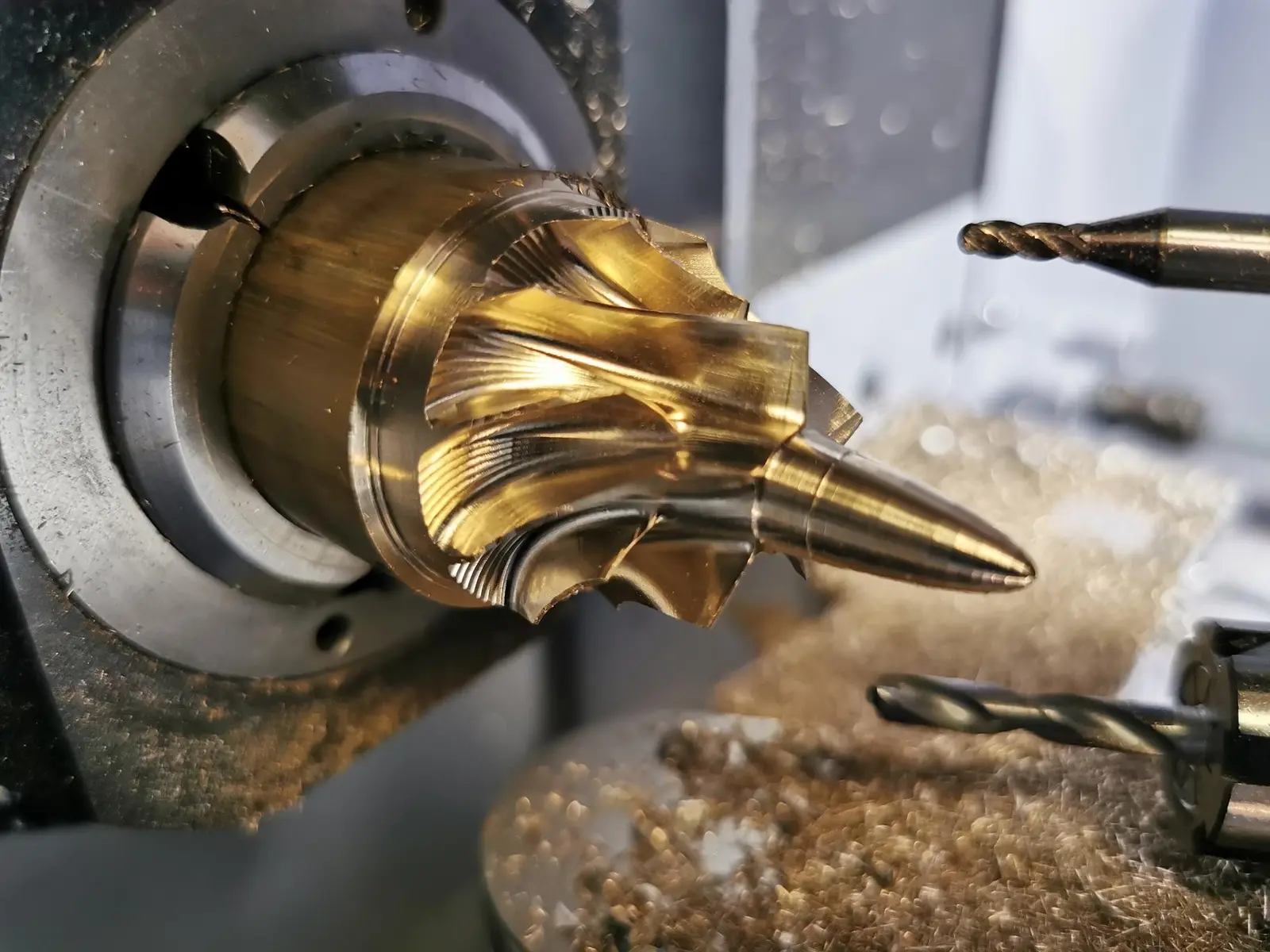
The UK manufacturing sector faces a complex trading environment shaped by global shifts, regulatory changes, and evolving supply chains. For manufacturers, understanding these dynamics is crucial to maintaining competitiveness and growth. This post explores the current state of trade for UK manufacturing, highlighting key challenges and opportunities, with a focus on practical insights relevant to businesses producing CNC turned parts and other precision components.
Trade Environment and Regulatory Changes
Since Brexit, UK manufacturers have navigated new trade rules that affect exports and imports. Customs checks, tariffs, and paperwork have increased, especially for goods moving between the UK and the EU. These changes have led to:
- Longer lead times for shipping and delivery
- Higher administrative costs due to customs declarations
- Increased risk of delays at ports and borders
Manufacturers producing CNC turned parts often rely on just-in-time supply chains. Delays in receiving raw materials or shipping finished components can disrupt production schedules and customer commitments. For example, a precision engineering firm in the Midlands reported a 20% increase in delivery times for CNC turned parts destined for European clients since 2021.
To adapt, many manufacturers have invested in better supply chain visibility tools and diversified suppliers outside the EU. This helps reduce dependency on any single route or market.
Impact of Global Supply Chain Disruptions
Global supply chains remain fragile due to ongoing challenges such as:
- Shipping container shortages
- Rising freight costs
- Raw material price volatility
These factors affect UK manufacturers by increasing costs and complicating inventory management. CNC turned parts, which often require high-quality metals and precise machining, are sensitive to material availability and price fluctuations. For instance, the cost of stainless steel, a common material for turned parts, has risen by over 15% in the past year, squeezing profit margins.
Manufacturers have responded by:
- Building larger inventories of critical materials
- Negotiating longer-term contracts with suppliers
- Exploring alternative materials or designs to reduce costs
These strategies help maintain production continuity but may increase working capital needs.
Opportunities in Export Markets
Despite challenges, UK manufacturers find new opportunities in non-EU markets. Trade agreements with countries like Japan, Canada, and Australia open doors for exports of high-value products, including CNC turned parts used in aerospace, automotive, and medical sectors.
Key factors supporting export growth include:
- Strong UK engineering reputation for quality and precision
- Growing demand for custom CNC turned parts in emerging industries
- Government export support programmes and trade missions
For example, a Scottish manufacturer specialising in CNC turned parts for the aerospace industry recently secured contracts with Canadian firms expanding their supply base. This diversification reduces reliance on traditional European markets and spreads risk.
Technology and Innovation Driving Competitiveness
Investment in technology remains vital for UK manufacturers to stay competitive globally. Automation, digital manufacturing, and advanced CNC machinery improve efficiency and product quality. CNC turned parts benefit directly from these advances, as modern machines can produce complex geometries faster and with tighter tolerances.
Some practical steps manufacturers take include:
- Upgrading CNC machines to multi-axis models for complex parts
- Implementing real-time monitoring systems to reduce downtime
- Using CAD/CAM software to optimise designs and machining processes
These improvements reduce waste, lower costs, and enable faster response to customer needs. A manufacturer in the West Midlands reported a 30% reduction in production time for CNC turned parts after investing in new CNC technology and staff training.
Workforce and Skills Challenges
The manufacturing sector faces ongoing skills shortages, particularly in CNC machining and precision engineering. Recruiting and retaining skilled operators for CNC turned parts production is a priority. The sector competes with other industries for talent, and training programmes must keep pace with technological changes.
Manufacturers address this by:
- Partnering with technical colleges for apprenticeships
- Offering continuous professional development and upskilling
- Promoting manufacturing careers to younger generations
A UK engineering firm noted that investing in workforce skills led to improved product quality and lower error rates in CNC turned parts production.
Sustainability and Trade
Sustainability increasingly influences trade decisions. UK manufacturers face pressure from customers and regulators to reduce environmental impact. This includes sourcing sustainable materials, reducing waste, and improving energy efficiency in CNC machining processes.
Sustainable practices can open new markets, especially in Europe, where green standards are rising. For example, manufacturers adopting eco-friendly machining fluids and recycling metal scrap gain a competitive edge.
Summary and Next Steps
UK manufacturing trade faces a mix of challenges and opportunities. Regulatory changes and supply chain disruptions require careful planning and flexibility. At the same time, new export markets, technology investments, and sustainability efforts offer paths for growth.