When considering the trade-in of a CNC machine, understanding its value is essential. The UK market for CNC machines, especially sliding head and multi-axis lathes, demands precise evaluation. This post outlines key factors affecting trade value, depreciation rates, and practical steps to assess your machine’s worth.
Factors Influencing CNC Machine Trade Value UK
Several elements determine the trade value of CNC machines in the UK. These include:
- Machine Age: Newer machines generally have higher trade values.
- Condition: Well-maintained machines fetch better prices.
- Brand and Model: Certain brands and models hold value better due to reliability and demand.
- Technology Level: Machines with updated controls and software are more valuable.
- Market Demand: Current demand for specific machine types affects trade value.
- Service History: Complete maintenance records increase buyer confidence.
- Accessories and Tooling: Additional equipment can add value.
For example, a 5-year-old multi-axis lathe with updated controls and full service history will have a higher trade value than a similar machine without these features.
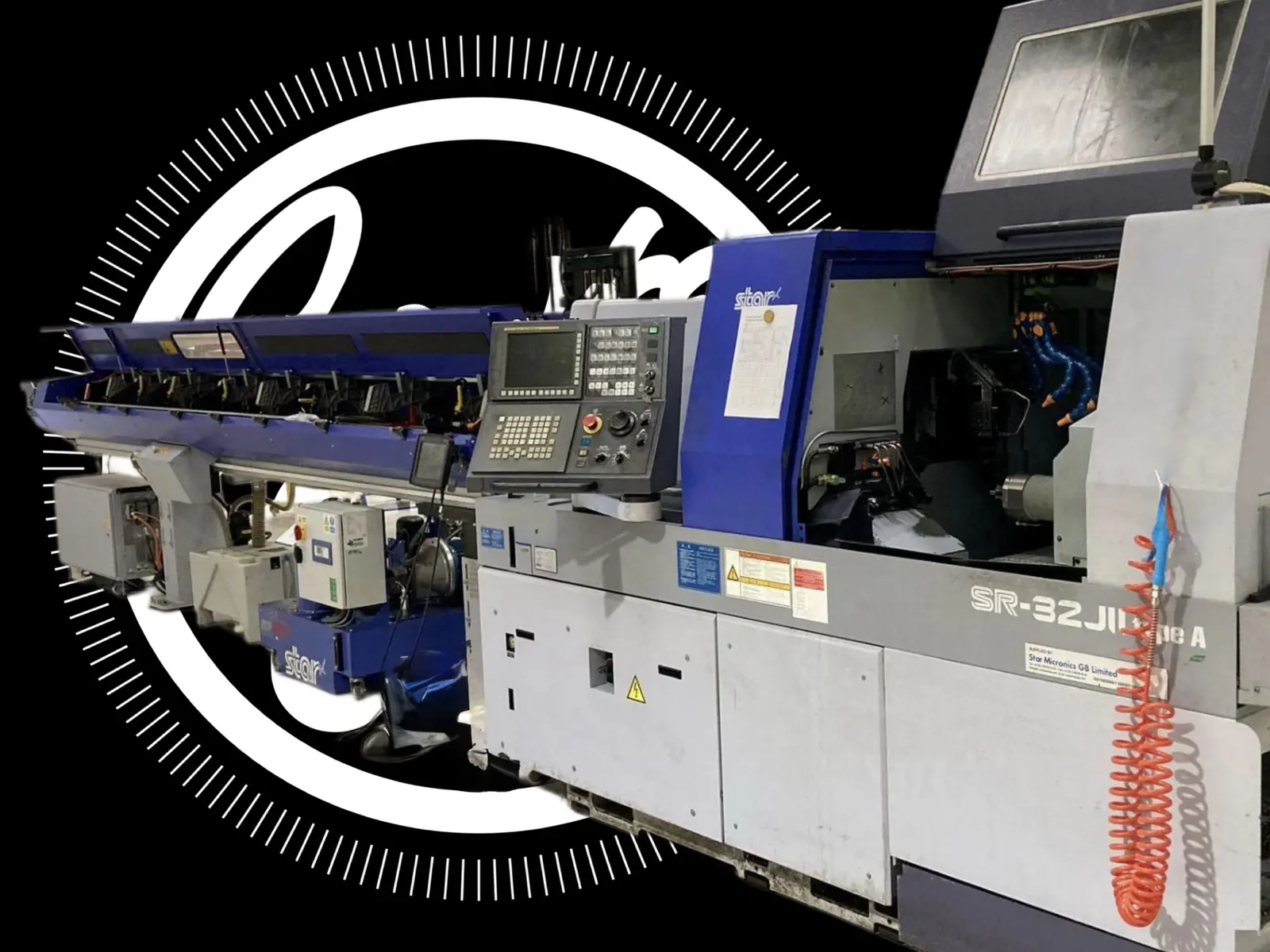
Used CNC Sliding Head Lathe
How to Evaluate Your CNC Machine for Trade-In
To accurately assess your CNC machine’s trade value, follow these steps:
- Inspect the Machine: Check for wear, damage, and operational issues.
- Review Documentation: Gather manuals, service records, and software updates.
- Research Market Prices: Look at recent sales of similar machines in the UK.
- Consult Experts: Engage with specialists who understand the UK CNC market.
- Consider Upgrades: Factor in any recent improvements or retrofits.
- Calculate Depreciation: Use standard depreciation rates to estimate current value.
This process helps establish a realistic trade-in price. It also prepares you for negotiations with dealers or buyers.
How much does a CNC machine depreciate per year?
Depreciation rates vary but typically range between 10% and 20% annually. Factors influencing depreciation include:
- Usage Intensity: Machines used heavily depreciate faster.
- Technological Obsolescence: Rapid tech advances can reduce value.
- Maintenance Quality: Well-maintained machines depreciate slower.
- Market Trends: Shifts in demand affect depreciation.
For example, a machine bought for £100,000 may be worth around £80,000 after one year if it depreciates at 20%. After five years, the value could drop to approximately £32,000, assuming straight-line depreciation.
Understanding depreciation helps set expectations for trade-in offers and resale value.
Practical Tips to Maximise CNC Machine Trade Value
To get the best trade-in value, consider these actions:
- Maintain Regular Servicing: Keep detailed service records.
- Upgrade Software and Controls: Modern controls increase appeal.
- Clean and Repair: Present the machine in good working order.
- Retain Original Parts: Avoid replacing parts with non-standard components.
- Document Usage: Provide accurate machine hours and workload history.
- Engage Reputable Dealers: Work with specialists familiar with the UK market.
These steps improve buyer confidence and can increase trade-in offers.
Understanding the UK Market for CNC Machines
The UK market has specific characteristics affecting trade-in values:
- High Demand for Precision: Industries require reliable, precise machines.
- Preference for Multi-Axis and Sliding Head Lathes: These machines are in demand for complex parts.
- Strong Aftermarket: Used machines often find buyers quickly.
- Regulatory Compliance: Machines must meet UK safety and environmental standards.
- Currency Fluctuations: Exchange rates can impact import/export values.
Being aware of these factors helps in timing your trade-in and setting realistic price expectations.
Final Considerations for CNC Machine Trade-In
Assessing your CNC machine’s trade value requires a clear understanding of its condition, market trends, and depreciation. Use expert advice and market research to inform your decisions. Proper maintenance and documentation enhance value.
For those looking to explore options, consider visiting cnc machine trade in value uk for specialised services and expert guidance tailored to the UK and European markets.
This approach ensures you receive a fair trade-in price and supports ongoing investment in precision manufacturing technology.