When managing CNC machinery, upgrading or replacing parts can be costly and time-consuming. The CNC part exchange process offers a practical solution. It allows businesses to trade in their used CNC machine parts for credit towards newer or better equipment. This process is common in the UK manufacturing sector, especially among OEM and SME clients who rely on precision CNC technology.
Understanding the CNC Part Exchange Process
The CNC part exchange process involves several clear steps. First, the client identifies the parts or machines they want to exchange. These are typically used sliding head or multi-axis lathes, or other CNC components. Next, the supplier assesses the condition and value of the parts. This evaluation is based on factors such as age, wear, and market demand.
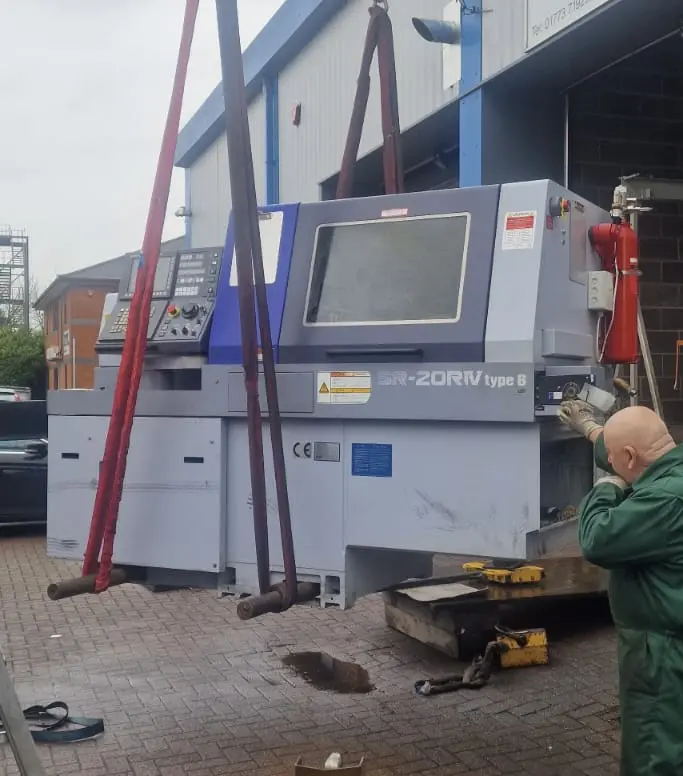
Once the assessment is complete, the supplier offers a trade-in value. The client can then apply this value as credit towards the purchase of new or refurbished CNC machines or parts. This reduces the upfront cost and simplifies the upgrade process. The supplier usually handles the logistics of collecting the exchanged parts, ensuring a smooth transition.
This process benefits both parties. The client gains access to updated technology with less capital outlay. The supplier acquires used parts that can be refurbished or resold, supporting sustainability and cost efficiency.
Key Benefits of CNC Part Exchange in the UK
There are several advantages to using the CNC part exchange process in the UK manufacturing environment:
- Cost Savings: Exchanging parts reduces the cost of acquiring new CNC machines or components.
- Reduced Downtime: Faster upgrades mean less production interruption.
- Sustainability: Reusing and refurbishing parts lowers waste and environmental impact.
- Simplified Procurement: One transaction covers both selling old parts and buying new ones.
- Access to Expertise: Suppliers often provide technical advice and support during the exchange.
For example, a small precision engineering firm in Birmingham might exchange an older sliding head lathe for a newer multi-axis model. The trade-in credit lowers the purchase price, and the supplier arranges collection and installation, minimizing disruption.
How to Prepare for a CNC Part Exchange
Preparation is key to a successful CNC part exchange. Follow these steps:
- Inventory Your Equipment: List all CNC machines and parts you want to exchange.
- Assess Condition: Check for wear, damage, and maintenance history.
- Gather Documentation: Have manuals, service records, and purchase details ready.
- Contact a Specialist Supplier: Choose a supplier experienced in CNC part exchange in the UK.
- Request an Evaluation: Arrange for an on-site or remote assessment.
- Review the Offer: Compare trade-in values and terms.
- Plan the Upgrade: Schedule delivery and installation of new equipment.
Proper preparation ensures you get the best value and a smooth transition.
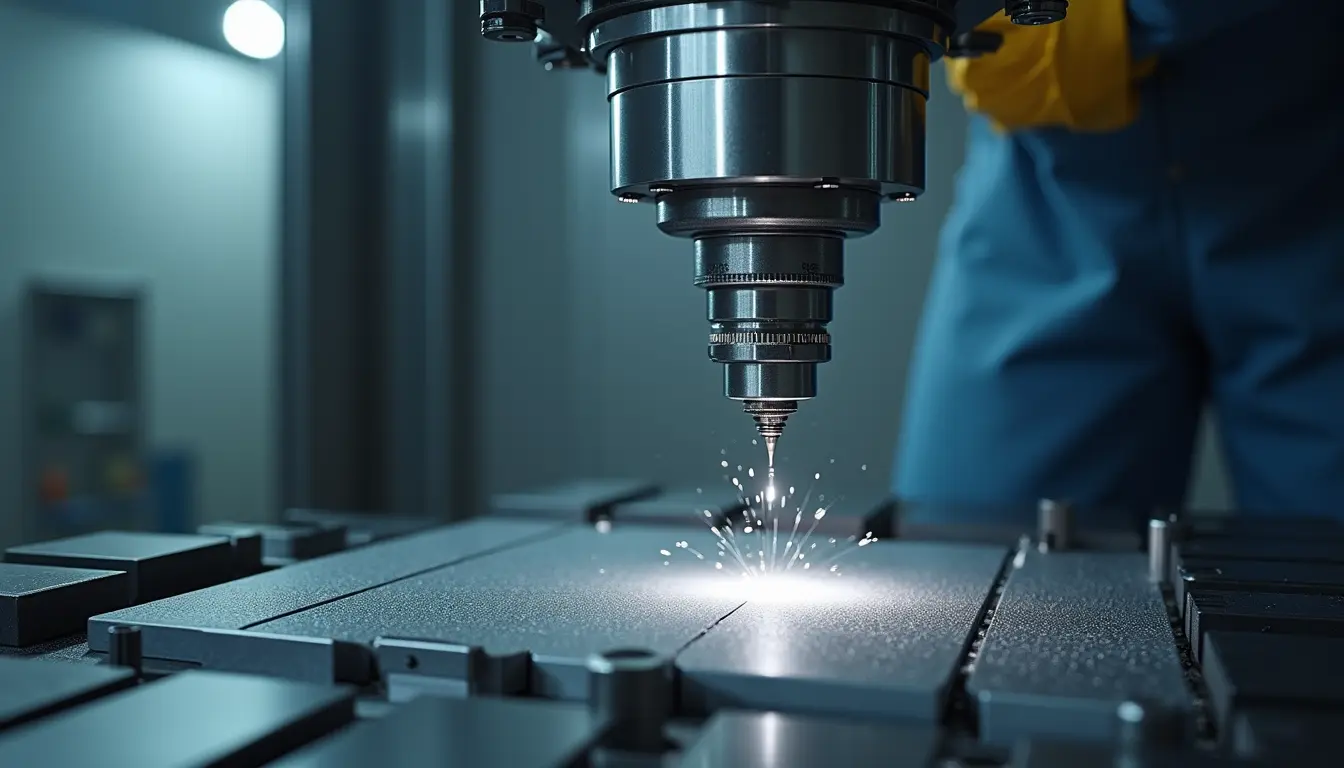
Common Types of CNC Machines and Parts Exchanged
The CNC part exchange process covers a wide range of equipment. Common items include:
- Sliding Head Lathes: Popular for precision turning and bar work.
- Multi-Axis Lathes: Used for complex machining tasks.
- Tool Holders and Turrets: Essential for tool changes and machining flexibility.
- Control Units: CNC controllers and software modules.
- Spindles and Motors: Critical for machine operation.
- Fixtures and Jigs: Used to hold workpieces securely.
Each type of equipment has specific valuation criteria. For instance, sliding head lathes with recent upgrades or low hours typically command higher trade-in values.
Finding the Right CNC Part Exchange Partner
Choosing the right partner is crucial. Look for suppliers who:
- Have a strong presence in the UK and Europe.
- Specialise in used CNC sliding head and multi-axis lathes.
- Offer transparent and fair valuations.
- Provide logistical support for collection and delivery.
- Have technical expertise to advise on machine compatibility.
- Maintain a good reputation for customer service.
Swiss CNC is an example of a specialist aiming to lead the UK and European market by offering high-quality used CNC machines and expert solutions. Their deep industry knowledge helps clients make informed decisions.
For those interested, more information about the cnc machine part exchange uk process can be found on specialist supplier websites.
Maximising Value from Your CNC Part Exchange
To get the most from the CNC part exchange process, consider these tips:
- Maintain Equipment: Regular servicing keeps parts in better condition.
- Upgrade Incrementally: Exchange parts as needed rather than waiting for full machine replacement.
- Negotiate Terms: Discuss payment options and warranties.
- Plan Logistics: Coordinate timing to avoid production gaps.
- Stay Informed: Keep up with market trends and technology advances.
By following these recommendations, businesses can optimise their investment in CNC technology.
Final Thoughts on CNC Part Exchange
The CNC part exchange process in the UK offers a practical way to manage machine upgrades and replacements. It reduces costs, minimises downtime, and supports sustainable manufacturing practices. By working with experienced suppliers and preparing carefully, businesses can ensure a smooth and beneficial exchange.
This approach aligns with the goals of precision manufacturing clients who require reliable, high-quality CNC equipment. It also supports the growth of specialist providers focused on delivering expert solutions across the UK and Europe.