
CNC sliding head lathes have transformed precision machining by enabling faster production of complex parts with minimal manual intervention. Yet, mastering these machines requires focused training to unlock their full potential. Without proper knowledge, operators risk errors, wasted materials, and inefficient workflows. This post explores key aspects of CNC sliding head lathe training, offering practical insights for machinists and manufacturing professionals eager to improve accuracy and productivity.
Understanding CNC Sliding Head Lathes
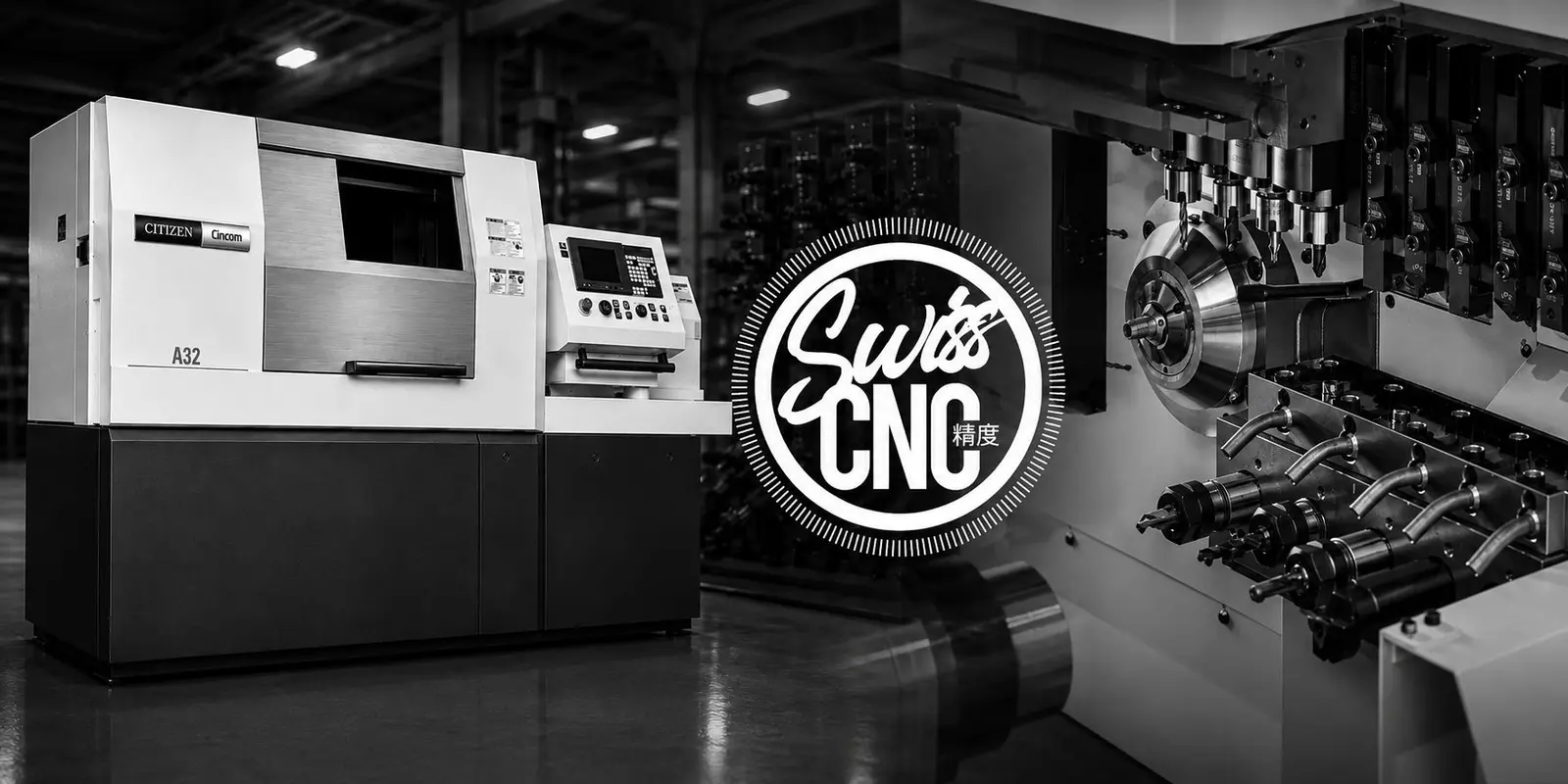
Sliding head lathes, also known as Swiss-type lathes, differ from traditional lathes by feeding the bar stock through a sliding headstock. This design allows continuous machining of long, slender parts with high precision. The CNC control automates tool movements, spindle speeds, and feed rates, enabling complex geometries and tight tolerances.
Training begins with grasping the machine’s components and functions:
- Sliding headstock moves the bar stock forward and backward.
- Guide bushing supports the bar close to the cutting tools, reducing deflection.
- Multiple tool stations allow simultaneous operations like turning, drilling, and milling.
- CNC control panel programs and monitors machining cycles.
Understanding these basics helps operators anticipate machine behavior and troubleshoot issues.
Core Skills in CNC Sliding Head Lathe Training
Effective training covers both theoretical knowledge and hands-on practice. Key skills include:
- Programming: Learning G-code and conversational programming to create precise machining sequences.
- Setup and tooling: Selecting the right tools, installing them correctly, and setting tool offsets.
- Machine operation: Starting, stopping, and monitoring cycles safely while adjusting parameters.
- Quality control: Measuring parts during and after machining to ensure specifications are met.
- Maintenance: Performing routine cleaning, lubrication, and minor repairs to keep the machine running smoothly.
For example, trainees often practice programming simple parts before progressing to multi-operation components. This stepwise approach builds confidence and reduces errors.
Benefits of Structured Training Programs
Structured training programs offer several advantages:
- Reduced scrap rates: Proper programming and setup minimize material waste.
- Improved cycle times: Skilled operators optimize feeds and speeds for faster production.
- Higher part quality: Consistent training ensures adherence to tight tolerances.
- Enhanced safety: Understanding machine functions prevents accidents.
- Career advancement: Certified skills open doors to advanced roles in manufacturing.
Many training centers provide simulation software that mimics CNC sliding head lathe operations. This tool allows learners to test programs virtually, spotting mistakes before actual machining.
Practical Tips for Effective Learning
To get the most from CNC sliding head lathe training, consider these tips:
- Start with basics: Focus on machine components and simple programming before tackling complex parts.
- Use real examples: Practice with parts commonly produced in your industry to build relevant skills.
- Ask questions: Clarify doubts with instructors or experienced operators.
- Document procedures: Keep notes on setups, tool changes, and programming codes for future reference.
- Practice regularly: Hands-on experience is crucial to mastering machine control and troubleshooting.
For instance, a trainee working in medical device manufacturing might practice machining tiny, precise components used in surgical instruments. This real-world focus makes training more meaningful.
Common Challenges and How Training Addresses Them
Operators new to CNC sliding head lathes often face challenges such as:
- Tool deflection and chatter: Training teaches proper tool selection and feed rates to reduce vibrations.
- Programming errors: Step-by-step coding exercises help avoid syntax mistakes.
- Bar feeding issues: Understanding the sliding headstock and guide bushing mechanics prevents jams.
- Part measurement difficulties: Learning to use micrometers and gauges ensures accurate quality checks.
By addressing these issues during training, operators gain confidence and reduce downtime.
The Future of CNC Sliding Head Lathe Training
As manufacturing evolves, training incorporates new technologies like augmented reality (AR) and remote learning platforms. These tools provide interactive tutorials and real-time feedback, making skill development more accessible.
Additionally, ongoing education keeps operators updated on the latest machine models and software upgrades. This continuous learning approach supports long-term career growth and operational excellence.
Mastering CNC sliding head lathes requires dedicated training that combines theory, practice, and problem-solving. Skilled operators deliver higher quality parts faster and safer, benefiting both manufacturers and customers. If you work with precision machining, investing in comprehensive CNC sliding head lathe training is a smart step toward professional success and improved production outcomes. Consider enrolling in a hands-on course or exploring simulation tools to start building your expertise today.