Small and medium-sized enterprises (SMEs) in precision manufacturing face constant pressure to improve efficiency and reduce costs. One way to achieve this is by adopting advanced machinery like sliding head lathes. These machines offer several benefits that can transform production processes and output quality.
Efficiency Gains with Sliding Head Lathe Benefits
Sliding head lathes excel in producing small, complex parts with high precision. Their design allows for continuous bar feeding, which reduces downtime between cycles. This leads to faster production rates compared to traditional lathes.
- Reduced cycle times: The sliding headstock moves the workpiece automatically, enabling multiple operations in one setup.
- Less manual intervention: Automated feeding and tool changes lower the need for operator involvement.
- Higher throughput: Continuous operation means more parts produced per hour.
For SMEs, these efficiency gains translate into better use of labour and equipment, helping meet tight deadlines and increasing order capacity.
Cost Savings and Resource Optimisation
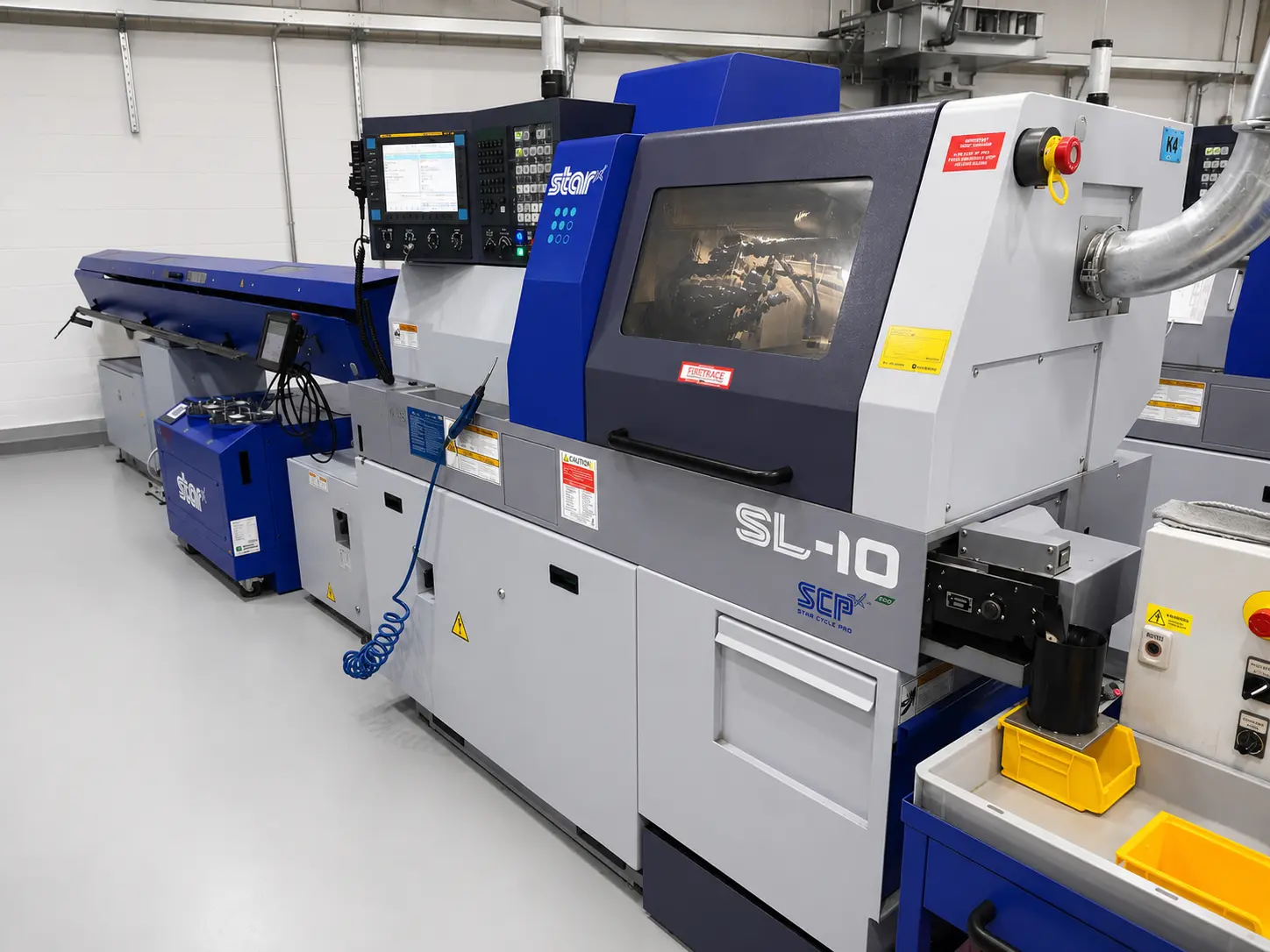
Investing in sliding head lathes can reduce overall manufacturing costs. The machines minimise material waste and energy consumption through precise control and automation.
- Material savings: Accurate cutting reduces scrap and rework.
- Lower labour costs: Automation decreases the need for skilled operators on every machine.
- Energy efficiency: Modern CNC controls optimise power use during machining.
These cost benefits help SMEs maintain competitive pricing while improving profit margins. The initial investment is offset by long-term savings and increased productivity.
Flexibility and Versatility in Production
Sliding head lathes support a wide range of materials and part geometries. This flexibility is crucial for SMEs that handle diverse orders or small batch sizes.
- Multi-axis machining: Enables complex shapes and features in one setup.
- Material compatibility: Suitable for metals like steel, aluminium, brass, and plastics.
- Quick changeovers: CNC programming allows fast adaptation to new parts.
This versatility allows SMEs to respond quickly to customer demands and expand their product offerings without significant downtime.
Quality and Precision Control
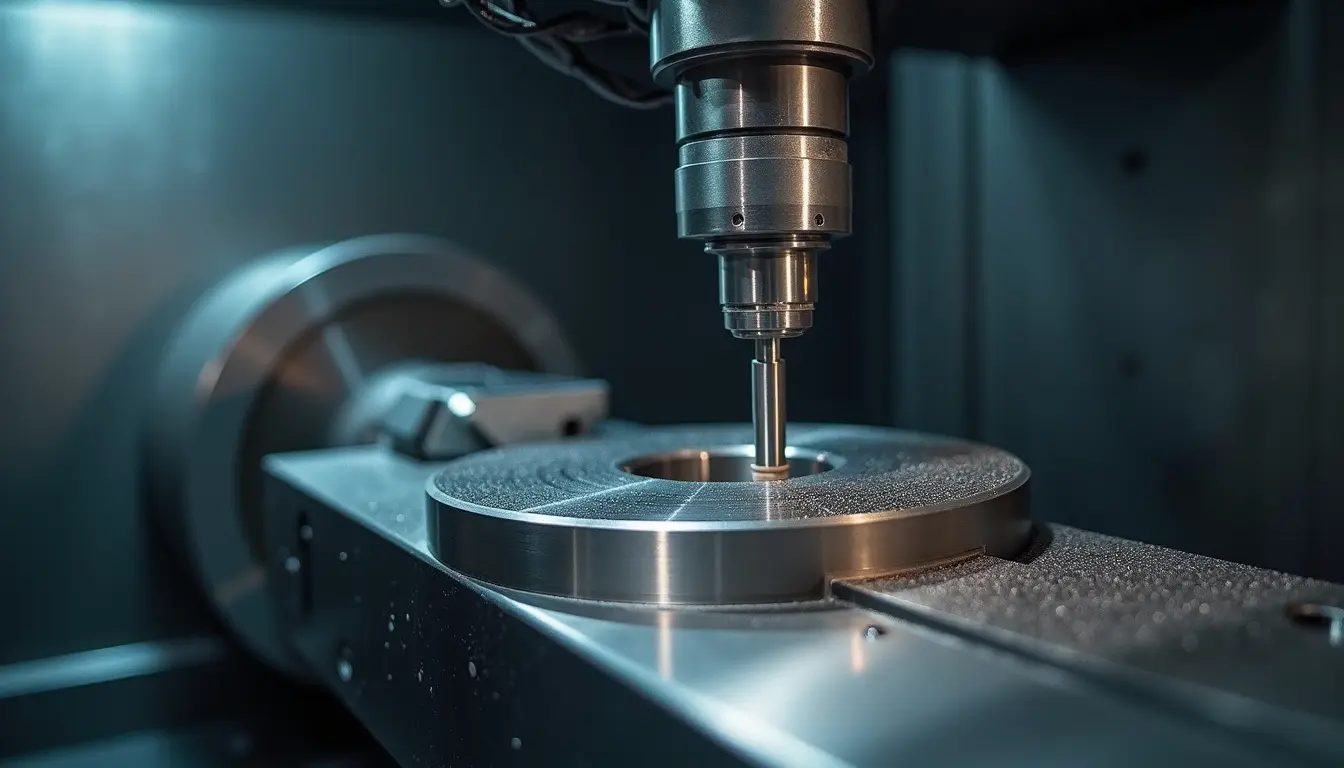
Sliding head lathes provide consistent, high-quality output. CNC technology ensures tight tolerances and repeatability, which are essential for precision manufacturing.
- Accurate dimensions: CNC controls maintain exact tool paths.
- Surface finish: Smooth finishes reduce the need for secondary operations.
- Reduced errors: Automated processes minimise human mistakes.
For SMEs, this means fewer rejects and higher customer satisfaction. Reliable quality also supports compliance with industry standards and certifications.
Integration with Modern Manufacturing Systems
These machines can integrate with digital manufacturing environments, supporting Industry 4.0 initiatives.
- Data collection: Real-time monitoring of machine performance and output.
- Remote programming: CNC programs can be updated without stopping production.
- Maintenance alerts: Predictive maintenance reduces unexpected downtime.
Such integration helps SMEs optimise their production lines and improve overall equipment effectiveness (OEE).
Making the Most of CNC Sliding Head Lathes for SMEs
To fully benefit from sliding head lathes, SMEs should consider the following:
- Training: Invest in operator and programmer training to maximise machine capabilities.
- Maintenance: Implement regular maintenance schedules to ensure reliability.
- Process optimisation: Use CNC software to simulate and refine machining processes.
- Supplier partnerships: Work with trusted suppliers for machine support and upgrades.
By following these steps, SMEs can leverage the full potential of cnc sliding head lathes for smes and improve their manufacturing outcomes.
Future-Proofing Manufacturing Operations
Adopting sliding head lathes positions SMEs for future growth. The machines support evolving production needs and technological advancements.
- Scalability: Machines can handle increased volumes as business grows.
- Adaptability: CNC programming allows quick response to market changes.
- Sustainability: Efficient machining reduces environmental impact.
Investing in these technologies today helps SMEs stay competitive in the UK and European precision manufacturing sectors.
Sliding head lathes offer clear advantages in efficiency, cost, flexibility, and quality. For SMEs aiming to enhance their manufacturing capabilities, these machines provide a practical solution. Proper implementation and ongoing optimisation ensure long-term benefits and business success.